
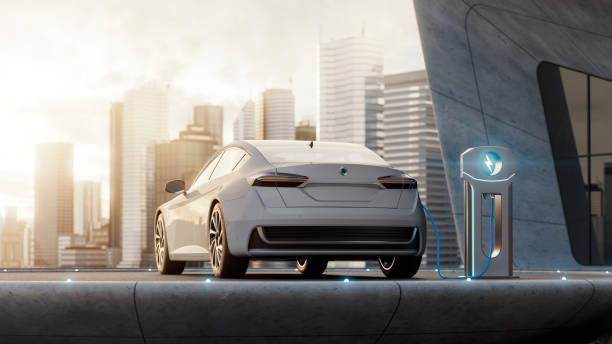
Autonomous driving technology is revolutionizing the automotive industry, and its impact on the Electric Vehicle (EV) market is profound. As self-driving technology matures, it promises to reshape how we perceive and use vehicles, influencing everything from market dynamics to consumer behavior. This article delves into how autonomous driving is influencing the EV market, exploring the synergy between these two transformative technologies and their implications for the future of transportation.
Introduction to Autonomous Driving and EVs
Autonomous driving refers to vehicles capable of navigating and operating without human intervention, thanks to sophisticated algorithms, sensors, and machine learning. This technology is often categorized into levels, ranging from Level 0 (no automation) to Level 5 (full automation). On the other hand, Electric Vehicles (EVs) are powered entirely or partially by electricity, offering a cleaner alternative to traditional internal combustion engine vehicles.
The intersection of autonomous driving and EVs represents a convergence of two major trends in the automotive industry: the push for sustainability and the quest for smarter, safer transportation solutions.
Boost Your Cloud Career
Get free security checklists, architecture templates, and career guides delivered weekly.
The Synergy Between Autonomous Driving and EVs
Enhanced Efficiency and Reduced Costs
One of the key benefits of combining autonomous driving with electric powertrains is improved operational efficiency. Autonomous vehicles (AVs) can optimize driving patterns, such as accelerating and braking smoothly, which enhances the efficiency of electric powertrains. This synergy helps in extending the range of EVs and reducing energy consumption.
For example, studies have shown that autonomous driving can improve energy efficiency by up to 10-20% compared to human drivers. This is due to more efficient driving habits, such as smoother acceleration and braking, optimized route planning, and reduced idle times.
PDF Resource: The Impact of Autonomous Driving on Electric Vehicles
Safety and Reliability
Autonomous vehicles promise enhanced safety features, which can be particularly beneficial in the context of EVs. Advanced driver assistance systems (ADAS) in autonomous vehicles, such as adaptive cruise control and lane-keeping assistance, reduce the likelihood of accidents. This increased safety can boost consumer confidence in EVs and contribute to higher adoption rates.
A key aspect of this synergy is the integration of EVs with autonomous driving technologies, which often involves the use of advanced sensors and computing power that align well with the requirements of both systems.
External Link: Autonomous Vehicles and Safety
Market Dynamics and Consumer Trends
Increased Adoption Rates
The integration of autonomous driving technology with electric vehicles is expected to accelerate EV adoption rates. Consumers are increasingly interested in the convenience and innovation associated with autonomous vehicles. As these technologies become more accessible and affordable, they are likely to drive higher demand for EVs.
According to a recent study by McKinsey & Company, the combination of autonomous driving and EV technology could lead to a 30% increase in EV adoption rates by 2030. This is partly due to the fact that autonomous EVs offer a more compelling value proposition by addressing both environmental and convenience concerns.
External Link: McKinsey Report on EV Adoption
Shifts in Market Competitiveness
The rise of autonomous EVs is reshaping the competitive landscape of the automotive market. Traditional automakers are investing heavily in these technologies to stay relevant, while new entrants like Tesla and Waymo are setting new standards in the industry. This competition is driving innovation and accelerating the development of both autonomous and electric technologies.
Companies that successfully integrate autonomous driving with EVs gain a competitive edge by offering differentiated products that appeal to tech-savvy and environmentally conscious consumers. This shift is fostering a more dynamic and competitive market environment.
PDF Resource: Competitive Landscape in Autonomous and Electric Vehicles
Regulatory and Infrastructure Challenges
Regulatory Framework
The deployment of autonomous EVs is subject to a complex regulatory environment that varies by region. Governments are working to establish standards and guidelines to ensure the safety and efficacy of autonomous driving technologies.
For instance, the U.S. Department of Transportation has issued guidelines for autonomous vehicles, while the European Union is developing a regulatory framework to support the deployment of these technologies. Harmonizing regulations across different regions is crucial for the widespread adoption of autonomous EVs.
External Link: DOT Guidelines for Autonomous Vehicles
Infrastructure Development
The successful integration of autonomous EVs also depends on the development of supporting infrastructure. This includes advancements in road networks, communication systems, and charging infrastructure. For instance, autonomous EVs require robust communication networks for real-time data exchange and seamless navigation.
Investments in infrastructure are essential to support the growth of both autonomous driving and electric mobility. Governments and private companies are collaborating on initiatives to enhance infrastructure and ensure that it meets the needs of autonomous and electric vehicles.
PDF Resource: Infrastructure Challenges for Autonomous Vehicles
Future Outlook and Opportunities
Technological Advancements
The future of autonomous driving and electric vehicles is closely linked to technological advancements. Innovations in artificial intelligence, machine learning, and battery technology will continue to drive progress in these fields. Autonomous driving systems are becoming more sophisticated, with improved perception, decision-making, and control capabilities.
Similarly, advancements in battery technology are enhancing the range and performance of EVs. As both technologies evolve, they will create new opportunities for enhancing the overall driving experience and addressing key challenges such as range anxiety and charging infrastructure.
External Link: Future Technologies in Autonomous Driving
Economic and Environmental Impact
The combination of autonomous driving and electric vehicles has the potential to deliver significant economic and environmental benefits. Economically, the reduction in fuel costs, maintenance expenses, and accident-related costs can lead to substantial savings for consumers and businesses alike.
Environmentally, autonomous EVs contribute to reducing greenhouse gas emissions and air pollution. By optimizing driving patterns and reducing reliance on fossil fuels, they play a crucial role in advancing sustainability goals.
PDF Resource: Economic and Environmental Benefits of Autonomous EVs
Conclusion
The impact of autonomous driving on the EV market is transformative and multifaceted. The synergy between these technologies promises to enhance efficiency, safety, and adoption rates, while reshaping market dynamics and consumer trends. However, addressing regulatory and infrastructure challenges is essential to realizing the full potential of autonomous EVs.
As we move forward, continued innovation and collaboration will be key to overcoming these challenges and unlocking new opportunities. The future of transportation is on the brink of a major transformation, driven by the convergence of autonomous driving and electric mobility.
By staying informed about the latest developments and trends in these areas, stakeholders can better navigate the evolving landscape and contribute to shaping a more sustainable and efficient future for transportation.
External Link: Autonomous Driving and Electric Vehicles: A Comprehensive Guide
PDF Resource: Comprehensive Analysis of Autonomous Driving and EV Market
For more information, explore these additional resources and stay updated on the latest advancements in autonomous driving and electric vehicle technologies.
FAQs
